

What is an ATS System? How to Write an ATS-Friendly CV in 2026?

Przemysław Dudek
5/13/2026 - 05 Mins read
The modern recruitment process increasingly relies on technology, redefining the way candidates get in front of recruiters. Sending dozens of polished applications and getting no response? In many cases, it is not a lack of competence, but rather technological barriers. Before your CV reaches human hands, it often must first gain the approval of an algorithm.
Understanding the mechanics of modern recruitment systems and the employer's perspective is the key to successfully passing the first stage of selection. The tool responsible for this initial screening is the ATS (Applicant Tracking System), which is advanced software for managing the recruitment process.
How Does ATS Work? Looking Behind the Recruitment Scenes
What is an ATS System? (Meaning and Definition)
ATS stands for Applicant Tracking System. But what is an ATS system in practice? It is a specialised recruitment software used by employers to automatically scan, parse, filter, and initially screen submitted CVs. The system acts as a digital gatekeeper: before your resume ever reaches a human recruiter's screen, the algorithm evaluates how well your profile matches the job description.
The implementation of ATS systems by organizations worldwide - from global corporations using platforms like Workday, Greenhouse, or Taleo, to Polish companies operating on eRecruiter or Traffit systems - stems from pure mathematics and the economics of the process.
Why Do Employers Use ATS?
- Economy of scale and time savings: A single popular job posting can attract 300 to 500 applications in just a few days. Manual, thorough verification of such a volume of documents by a single recruiter is physically impossible.
- Building a talent pool (Talent Pool): ATS systems do not just work on a one-time basis. They archive candidate profiles, allowing recruiters to search internal databases for new recruitment projects in the future.
- Legal compliance and GDPR: Automation facilitates the management of marketing and recruitment consents. Systems automatically delete candidate data after a specified time, protecting the employer from heavy financial penalties.
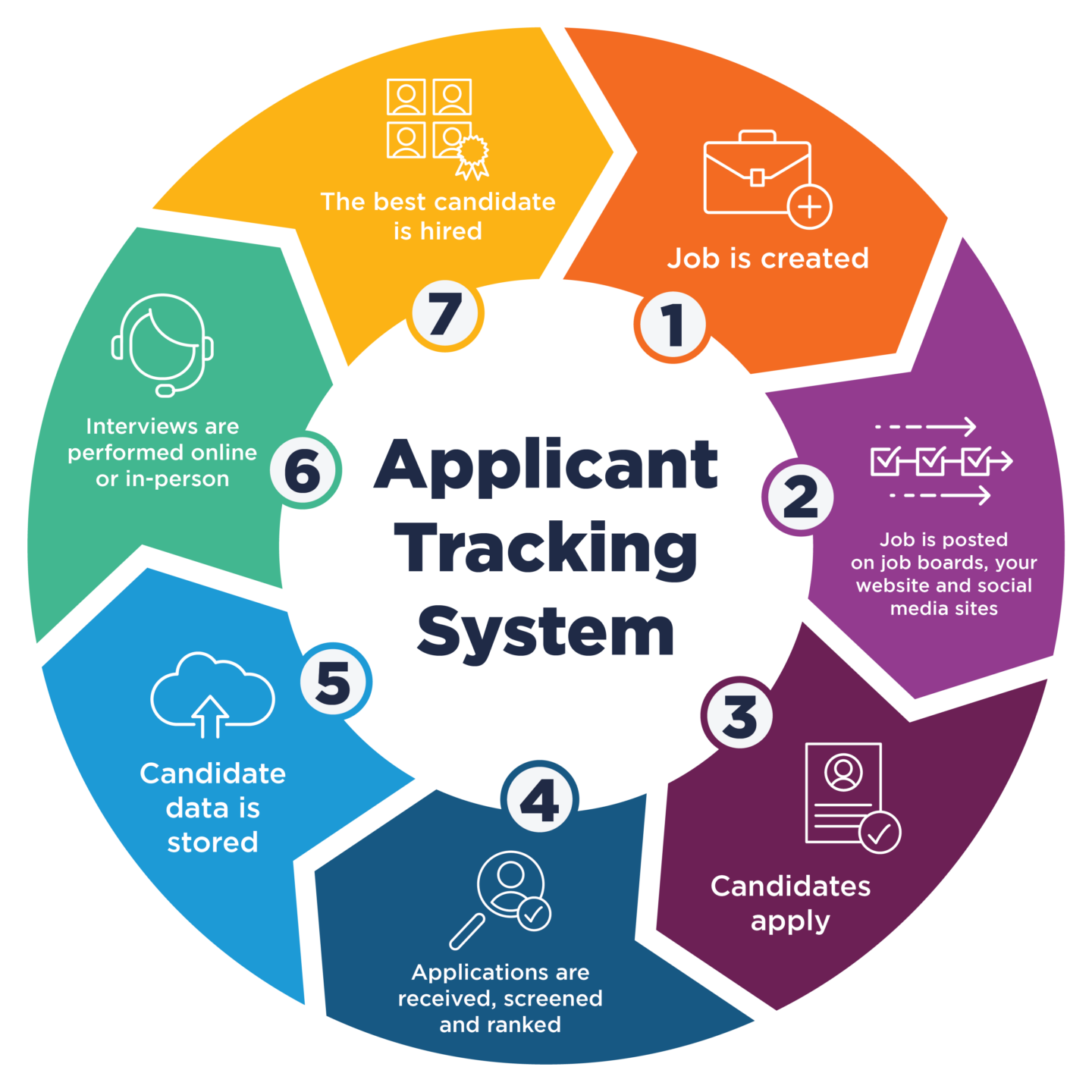
Recruitment Process Automations in 2026
Modern ATS systems have evolved significantly and no longer resemble simple email inboxes with a filtering function. Their main tasks include:
- CV Parsing: This is the process where the algorithm "breaks down" your PDF or DOCX file into basic components, extracts the text, and organizes it into a structured candidate profile (identifying name, contact details, employment history, or education).
- Semantic Matching and AI Scoring: Recruitment systems no longer look solely for identical, "rigid" keywords. Advanced algorithms analyze the context of entire sentences and understand synonyms. Based on this, the system assigns a so-called match score to the application (e.g., 85% match), positioning the best documents at the top of the recruiter's list.
- Knockout Questions: These are short forms you fill out when submitting your application (e.g., "Do you have a category B driving license?", "Do you have permission to work in the EU?"). Selecting an answer that does not meet critical requirements results in an immediate, automatic transfer of the CV to the "Rejected" folder, without any substantive analysis by a human.
- Automated Communication Sequences: The ATS is responsible for sending thank-you notes for applying, automatic links to book slots in the recruiter's calendar, or rejection messages (which are often sent with a deliberate, few-day delay to give the impression of being sent by a human).
How to Write an ATS-Friendly CV? - A Practical Guide
To get your CV past the digital "gatekeeper," it must be designed with the technological limitations of text parsers in mind.
1. Appropriate File Format and Layout
The rule is simple: less is more. While creative graphic templates (like popular designs from Canva) look attractive to the human eye, they often present an insurmountable barrier for an ATS parser. Multi-column layouts, tables, icons instead of text, or graphic progress bars (e.g., "English proficiency: 4 out of 5 stars") are unreadable for the algorithm.
Always save the document in PDF format, ensuring, however, that it is a so-called text PDF (where you can select and copy text with your mouse), rather than a flat graphic scan. Use a traditional, single-column layout oriented from top to bottom.
2. Keywords: Robot Language with Human Sense
When designing content, apply the mirroring technique (reflecting the job advertisement). Analyze the offer and extract key requirements from it: names of technologies, certifications, and specific hard skills.
It's worth avoiding so-called keyword stuffing (artificially packing keywords into the document footer). Modern systems score context. The sentence: “I managed a team of 5 developers using the Agile methodology” will receive a higher semantic rating than a dry entry on a list: “Agile, team management”. Additionally, always use both full names and their common abbreviations, e.g., Search Engine Optimization (SEO).
3. Rigid CV Structure (What the Parser Looks For)
Algorithms look for patterns, so categorically avoid excessive originality in section naming.
- Standard headings: Name sections classically: "Professional Experience", "Education", "Skills". Changing them to slogans like "My Professional Journey" can confuse the parser.
- Date format: Use a standardized digital format, preferably
MM.YYYY - MM.YYYY(e.g., 05.2023 - 08.2025). The lack of precise dates prevents the system from correctly calculating the total years of your experience. - Job titles: If your role at a previous company was unique (e.g., Happiness Hero), add the commonly accepted, market equivalent in parentheses: Happiness Hero (HR Specialist / Office Manager).
Document Optimization Strategy for ATS
| CV Element | Impact on ATS Algorithm | Best Practice |
|---|---|---|
| Column Layout | A two-column layout often disrupts the reading order of the text for the parser. | Use a simple, single-column text layout from top to bottom. |
| Graphic Formatting | Charts, icons, and progress bars are invisible to the system. | Replace graphics with text (e.g., instead of stars, write "Advanced level"). |
| Section Naming | Creative headings block the proper assignment of data to the profile. | Stick to standard names: Experience, Education, Skills. |
| Keywords | Overloading with phrases without context lowers the AI's qualitative rating. | Weave keywords naturally into descriptions of specific duties. |
Important Note: The easiest test of your CV's technical correctness is to perform a simple "Copy-Paste" test. Select the entire contents of your PDF document using the shortcut
Ctrl+A, copy it (Ctrl+C), and paste it into a blank Notepad (Ctrl+V). What you see in the text file, including any distorted characters or mixed-up section order, is exactly what the ATS algorithm sees and analyzes.
Summary
The ATS system is a digital selector that you simply need to clear with a properly prepared document. Only when the algorithm rates your profile's match level as high will your CV reach the monitor screen of a live recruiter.
Instead of guessing whether your resume will win the battle against algorithms and whether you meet the selection criteria, test it under practical conditions. Use the tool for direct comparison of a CV with a job offer on nastepnyetap.pl, which will help you step-by-step optimize your document for the requirements of modern ATS systems and prepare you for recruitment questions that may be asked during the interview.
We also recommend the article CV with or without a photo?