

CV with or without a photo?

Przemysław Dudek
5/6/2026 - 03 Mins read
The modern job market forces candidates to precisely tailor their application documents to both recruiter expectations and technical requirements. One of the most frequent questions concerns the inclusion of a photograph in a CV. The decision to include one should stem from a strategic analysis, not from habit or aesthetics.
Should a CV have a photo in 2026? (Quick Answer)
In 2026, adding a photo to your CV is not mandatory, but it depends heavily on your location and industry. In customer-facing roles within local European markets, a professional photo can build trust. However, when applying to multinational corporations, tech companies, or in the UK/US markets, you should send a CV without a photo. Many modern ATS systems will automatically reject applications with photos to comply with strict anti-discrimination and equal opportunity policies.
The Psychology of the Evaluation Process: The 6-Second Rule
Studies using eye-tracking technology (conducted, among others, by TheLadders) indicate that a recruiter needs an average of just 6 seconds to make an initial decision to qualify a CV for the next stage or reject it.
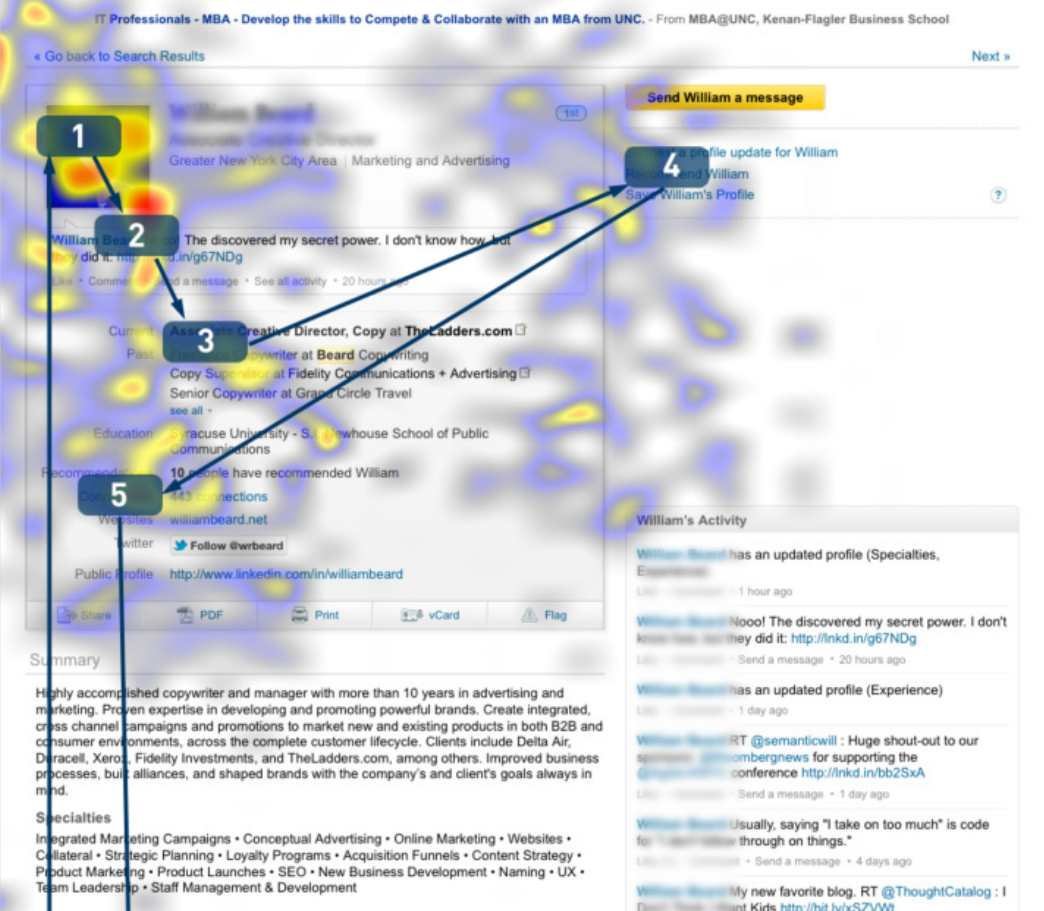
In such a short time, the document must be maximally clear, as for the case of automated processes (such as ATS systems), the photo is ignored by algorithms entirely and the focus is exclusively on text extraction. In cases of doubt regarding formatting correctness or requirement coverage, it is worth using a tool for direct comparison of a CV against a job offer, which minimizes the risk of rejection by an algorithm.
Furthermore, in many organizations with Western corporate culture, CV's with photos are automatically rejected to minimize the risk of unconscious bias and to avoid accusations of evaluating a candidate based on appearance.
Data vs. Document Reception Efficiency
Research on the CV analysis process yields concrete conclusions regarding the impact of graphics on content perception:
- Distraction: Visual analysis of a photograph takes recruiters an average of 19% of the time spent reviewing the document, which comes at the expense of analyzing professional experience.
- Cognitive Load: An excess of graphic elements hinders the rapid absorption of information, which lowers the substantive assessment of the profile.
- Information Priorities: An effective CV is one where the recruiter's eye immediately lands on the full name, current position, employment history, and education. Clear, text-based structures are rated as 60% more useful.
When is it better to send a CV without a photo?
Despite global trends, the Polish job market has its own specifics. A good photo on a CV in Poland highlights the candidate's authenticity and professionalism:
- "Front Office" positions: In industries requiring direct client contact (PR, sales, hospitality, customer service), the image is still considered an element of professional competence and is often expected.
- Organizational Culture: Local SME sectors more often prefer a traditional approach. In contrast, large corporations using advanced ATS systems and restrictive GDPR policies strive for full standardization, eliminating photos to protect against the collection of sensitive data. Some companies, especially Western ones, will not accept a CV with a photo at all for fear of discrimination accusations.
Selection Strategy: How to make the decision?
The choice between applying with or without a photo should be dictated by an analysis of the specific case:
| Scenario | Recommendation | Justification |
|---|---|---|
| Corporations and tech companies | Without a photo | Focus on ATS systems, avoiding biases. |
| "Front Office" industries | With a photo | Image is a crucial element of building professional client contact. |
| Traditional Polish companies (SME) | Optional | Adaptation to local business culture and employer expectations. |
Important Note: If you decide to include a photo, quality must be the priority. A photo with an unprofessional character or low technical parameters will work against the candidate much more than a complete lack of a photo in the document ever would.
Summary
A photo in a CV absorbs about 1/5 of a recruiter's valuable time. This investment is justified only if the image genuinely increases the profile's attractiveness in the context of a given position. In other situations, one should focus on substance and clean form - these are the strongest arguments in the recruitment process.